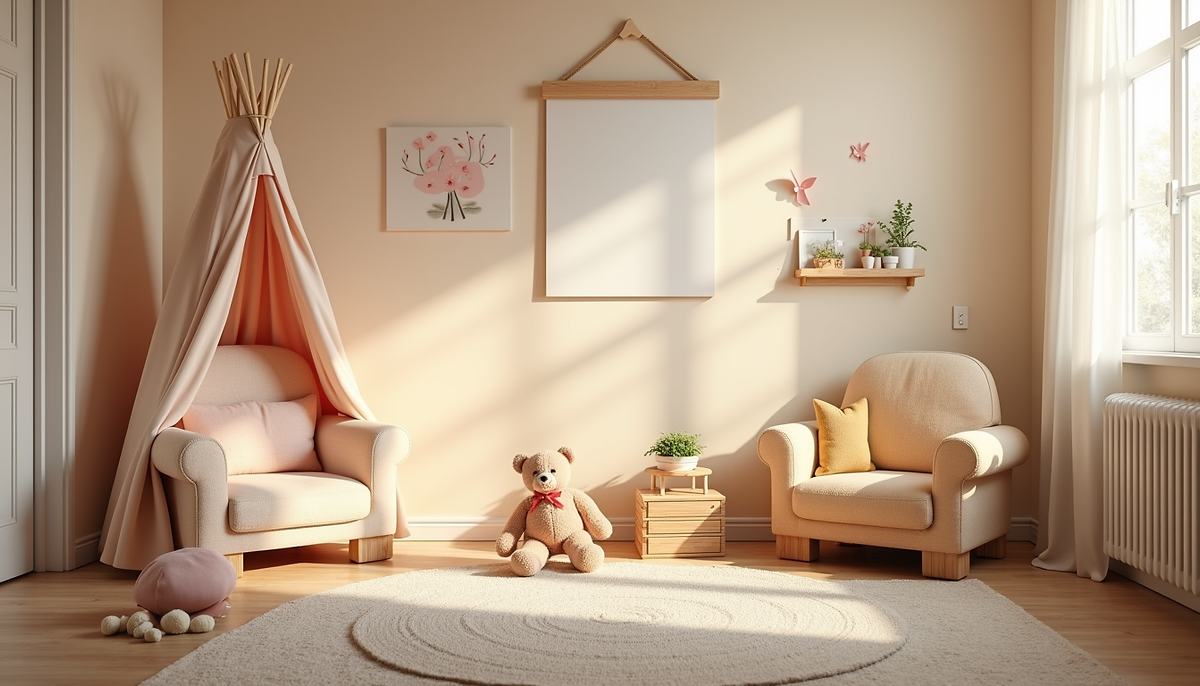
Supporting a hypersensitive child can feel overwhelming for many parents and caregivers. These children experience the world more intensely, reacting strongly to sounds, textures, lights, and emotions. Without the right support, they may struggle with daily activities and emotional regulation. This post offers practical strategies to create a nurturing environment, select toys that aid regulation, and explains how a parenting coach can guide families through these changes.
Creating a Supportive Environment for Hypersensitive Children
A child's surroundings greatly affect their ability to manage hypersensitivity. Parents can make simple adjustments to reduce sensory overload and promote calmness.
- Control lighting: Use soft, natural light or adjustable lamps instead of harsh overhead lights. Blackout curtains help if the child is sensitive to daylight.
- Reduce noise: Use white noise machines or soft background music to mask sudden loud sounds. Thick curtains and rugs absorb noise.
- Simplify spaces: Keep rooms uncluttered with minimal decorations. Clear, open spaces help avoid overwhelming the child.
- Choose calming colors: Soft blues, greens, and neutrals create a soothing atmosphere.
- Create a quiet corner: Designate a small area with cushions, soft blankets, and favorite calming items where the child can retreat when feeling overwhelmed.
Toys That Help Re-Regulate and Support Emotional Balance
Certain toys and tools can assist hypersensitive children in managing their sensory needs and emotions. These toys encourage self-regulation and provide comfort.
- Weighted blankets or lap pads: Provide deep pressure that calms the nervous system.
- Fidget toys: Items like stress balls, textured rings, or putty help children focus and release nervous energy.
- Sensory bins: Filled with rice, beans, or sand, these allow tactile exploration in a controlled way.
- Noise-canceling headphones: Useful for noisy environments to reduce auditory overload.
- Visual timers or calm-down jars: Help children understand time and encourage mindfulness.
How a Parenting Coach Can Support Implementation
Adjusting a home environment and introducing new toys can be challenging. A parenting coach offers valuable parent support by providing guidance tailored to each family's unique needs.
- Personalized strategies: Coaches assess the child's hypersensitivity triggers and recommend specific environment changes and toys.
- Skill-building: They teach parents how to recognize signs of overwhelm and use calming techniques effectively.
- Consistency: Coaches help parents develop routines that promote regulation and reduce stress for the whole family.
- Emotional support: Parenting a hypersensitive child can be exhausting. Coaches offer encouragement and practical advice to maintain resilience.
- Problem-solving: When challenges arise, coaches work with parents to adjust strategies and find new solutions.
Practical Tips for Parents and Caregivers
- Observe and listen: Pay close attention to your child's reactions to different environments and toys.
- Introduce changes gradually: Sudden shifts can increase anxiety. Make one change at a time.
- Involve your child: Let them choose toys or decorate their quiet corner to increase their sense of control.
- Maintain routines: Predictability helps children feel secure and supports regulation.
- Seek parent support groups: Connecting with others facing similar challenges provides encouragement and shared ideas.
Supporting a hypersensitive child requires patience and understanding. With the right environment, tools, and guidance, parents can help their child thrive.