If you have ever been told you are "too sensitive," or you find yourself worn out by busy rooms, bright lights, and long days that others seem to shrug off, you may be a highly sensitive person (HSP). You experience the world more intensely, noticing subtle sounds, textures, emotions, and details that others miss. That depth is a gift, but without the right support it can tip into overwhelm. Your nervous system is picking up more of the room than most, and that is information rather than fragility.
Shaping an Environment That Supports Your Nervous System
Your surroundings affect how you feel more than you might realize. Small adjustments to your space can dramatically reduce the sensory load you carry through the day.
- Soften your lighting: Warm, natural light or adjustable lamps instead of harsh overhead fluorescents. Blackout curtains help on days when even daylight feels like too much.
- Manage the noise: A white noise machine, soft music, or noise-cancelling headphones take the edge off sudden or constant sound, and rugs and curtains absorb the echo.
- Simplify your space: Clutter is its own kind of noise, and clear surfaces give your senses less to process.
- Choose calming colours: Soft blues, greens, and neutral tones feel more soothing than bright, high-contrast palettes.
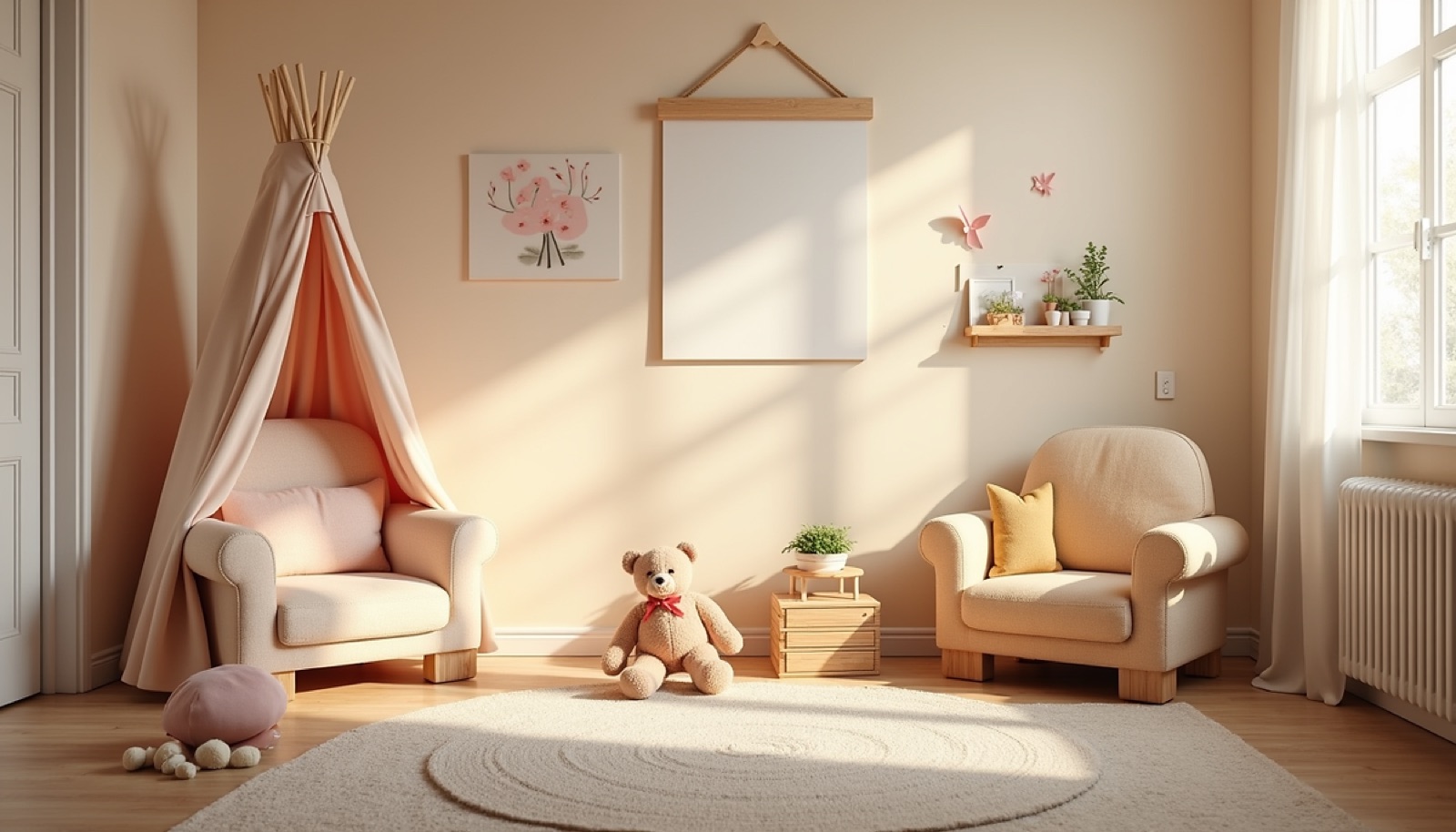
- Create a quiet retreat: One corner with cushions, a soft blanket, and a few comforting objects, a place you can go when you need to step back and reset.
Tools and Practices for Self-Regulation
When overwhelm builds, a few reliable tools within reach can help you settle before you reach your limit.
- Weighted blankets or lap pads: The gentle, even pressure has a grounding effect on the nervous system.
- Grounding techniques: Naming five things you can see, four you can hear, three you can touch brings you back into the present when your mind is racing.
- Sensory breaks: Step outside, close your eyes, or pause between tasks, so small stresses do not stack up.
- Breathwork: Slow breathing with a longer exhale than inhale signals to your body that it is safe to relax.
- A quiet space: Give yourself full permission to retreat. Stepping away is care, not avoidance.
How Working With a Coach Helps
Understanding that you are highly sensitive is one thing. Building a daily practice that actually supports you is another.
- Personalized strategies: Together we identify your specific triggers and the environments and tools that help you most.
- Skill-building: You learn to recognize the early signs of overwhelm and respond before you reach the edge.
- Consistency: A coach helps you turn helpful ideas into routines that hold up on busy or hard days.
- Encouragement: Being highly sensitive in a fast-paced world is tiring, and having someone in your corner steadies you.
- Problem-solving: When something stops working or life shifts, we adjust your practice so it keeps serving you.
Everyday Tips for Living Well as an HSP
- Notice your patterns: Pay attention to which situations drain you and which restore you, then plan your days with that knowledge.
- Introduce changes gradually: One small change at a time is easier to sustain than an overhaul.
- Protect your energy: Build in recovery time after demanding events instead of scheduling them back to back.
- Honour your routines: Predictability helps a sensitive nervous system feel safe and steady.
- Find your people: Others who understand high sensitivity remind you that you are not alone.
Living as a highly sensitive person takes patience and self-compassion. With an environment that supports you, tools you trust, and the right guidance, your sensitivity becomes one of your greatest strengths rather than a source of exhaustion.